Traditional Chinese Medicine views health as balance — between Yin and Yang, between the Five Elements, between body and environment.
Introduction to Traditional Chinese Medicine
Placeholder: short introduction to what Traditional Chinese Medicine is, where it comes from, and why it still matters today.
Placeholder: quick note on how TCM differs from conventional Western medicine — treating the root cause, the whole person, and the flow of energy rather than isolated symptoms.
Yin and Yang: The Principle of Balance
Placeholder: explain the concept of Yin and Yang as complementary opposites — light/dark, hot/cold, active/passive.
Placeholder: illustrate how Yin/Yang imbalance manifests as illness and how TCM treatments aim to restore equilibrium.
Qi, Blood, and Body Fluids
Placeholder: define Qi (vital energy) and its role in maintaining health.
Placeholder: brief overview of how blood and body fluids interact with Qi and what happens when their flow is disrupted.
The Five Elements
Placeholder: introduce Wood, Fire, Earth, Metal, Water and how each corresponds to organs, seasons, emotions.
Placeholder: practical example of how a TCM practitioner uses the Five Elements in diagnosis.
Meridians and Acupuncture Points
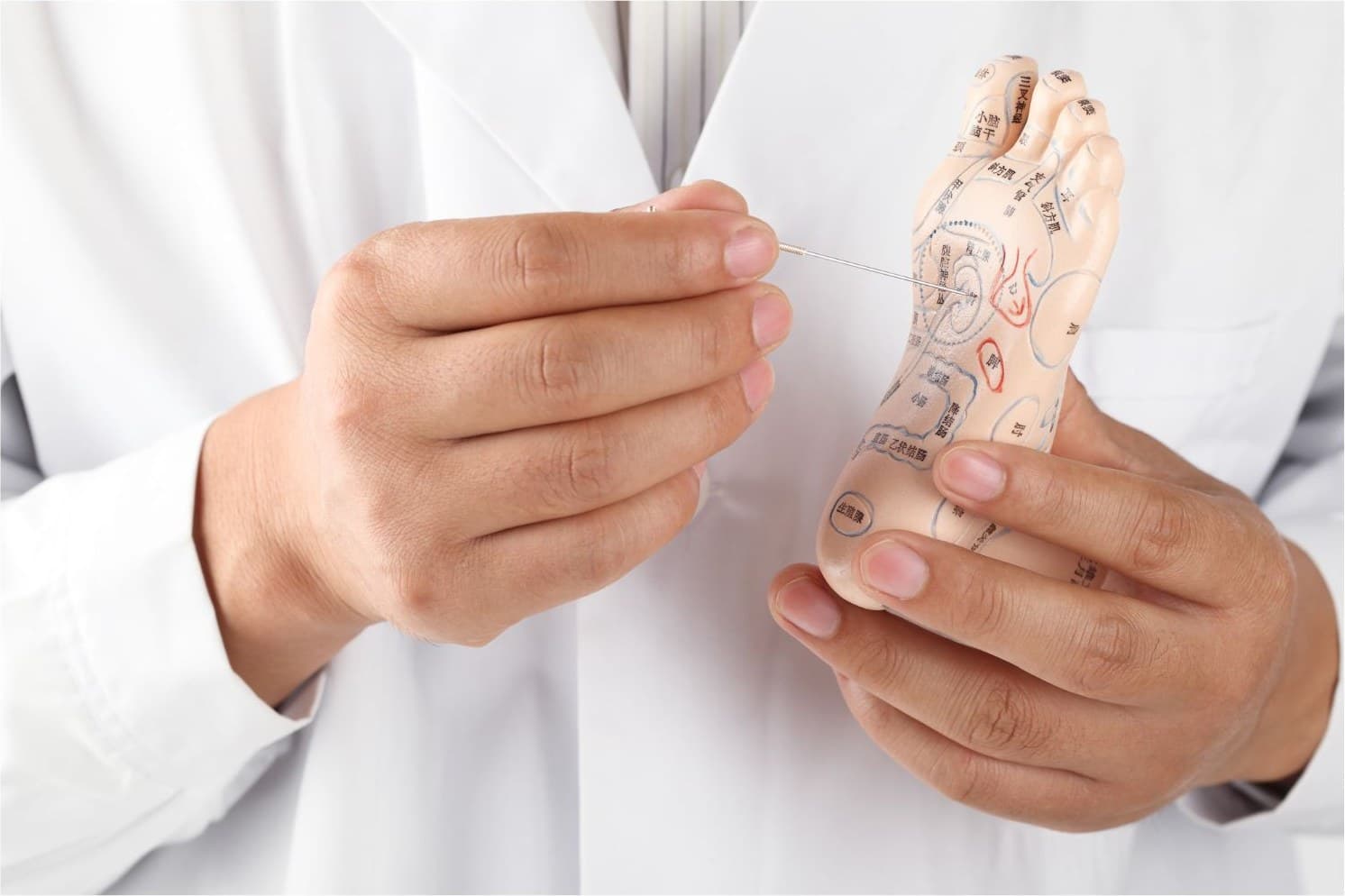
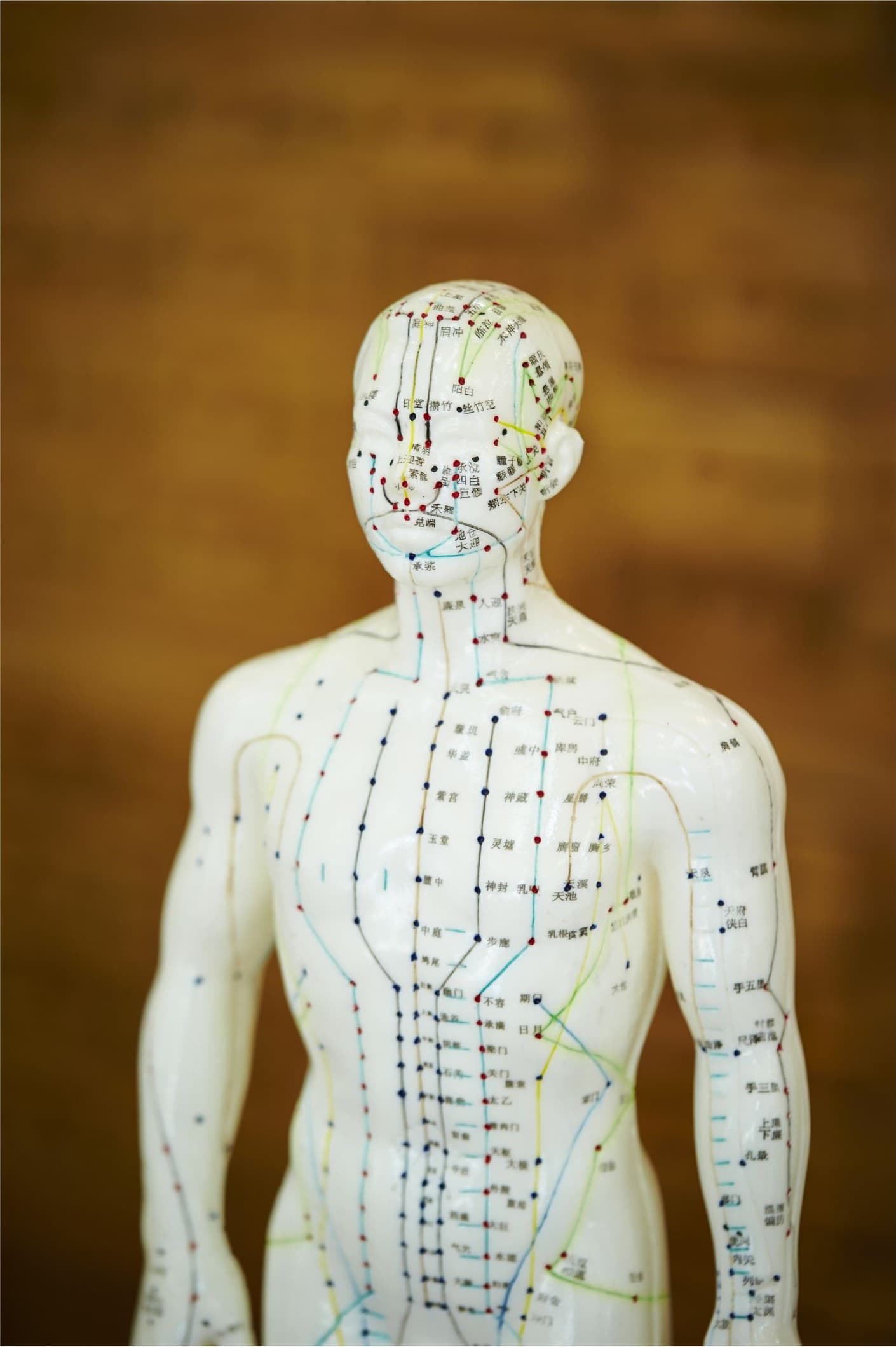
Placeholder: explain the meridian system as pathways for Qi flow, with major meridians and their functions.
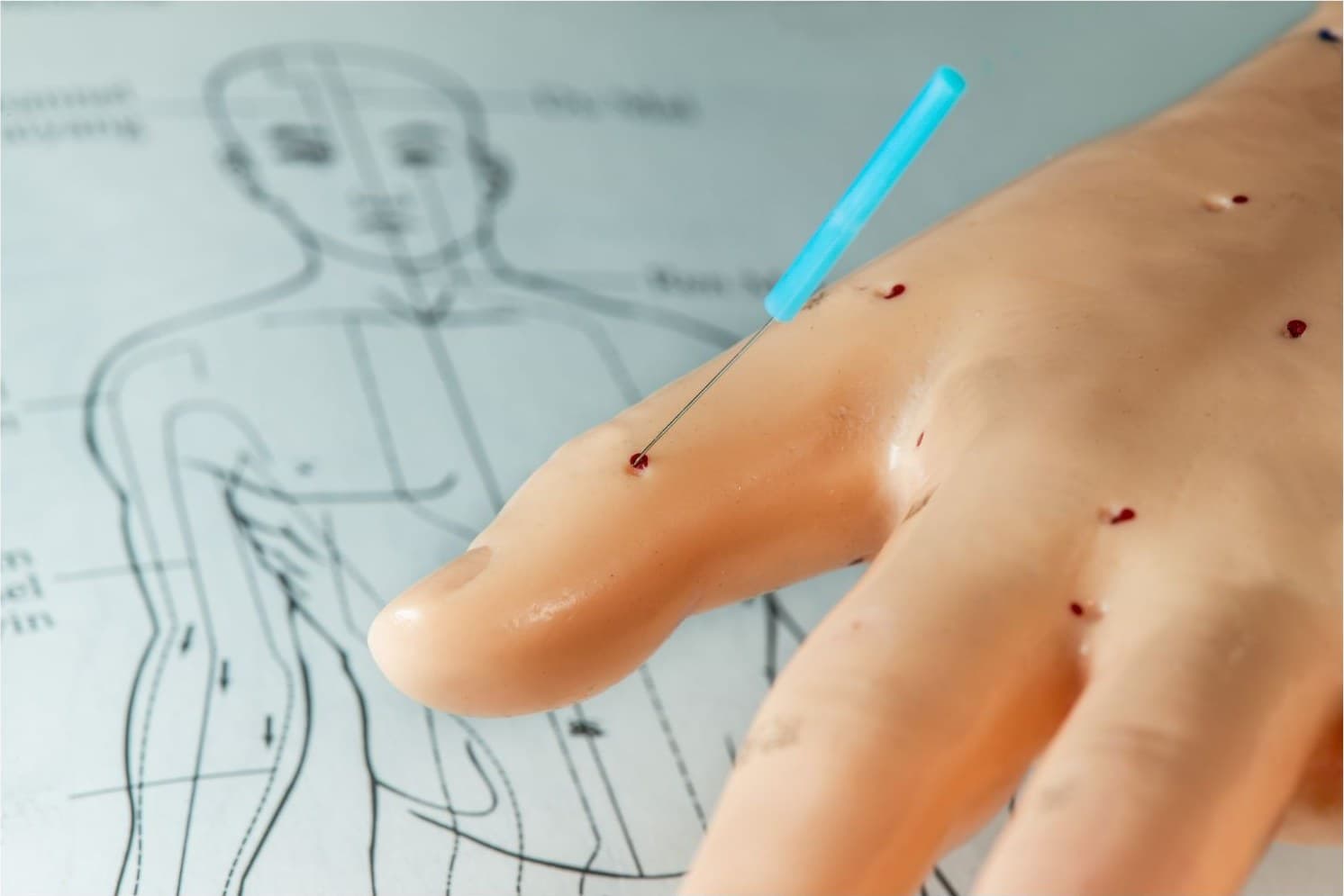
Placeholder: introduce acupuncture points and how they connect to treatment.
TCM Diagnostic Methods
Placeholder: overview of the four pillars of TCM diagnosis — observation, listening/smelling, questioning, and pulse/tongue examination.
Placeholder: why these methods stay relevant alongside modern diagnostics.
Treatment Principles
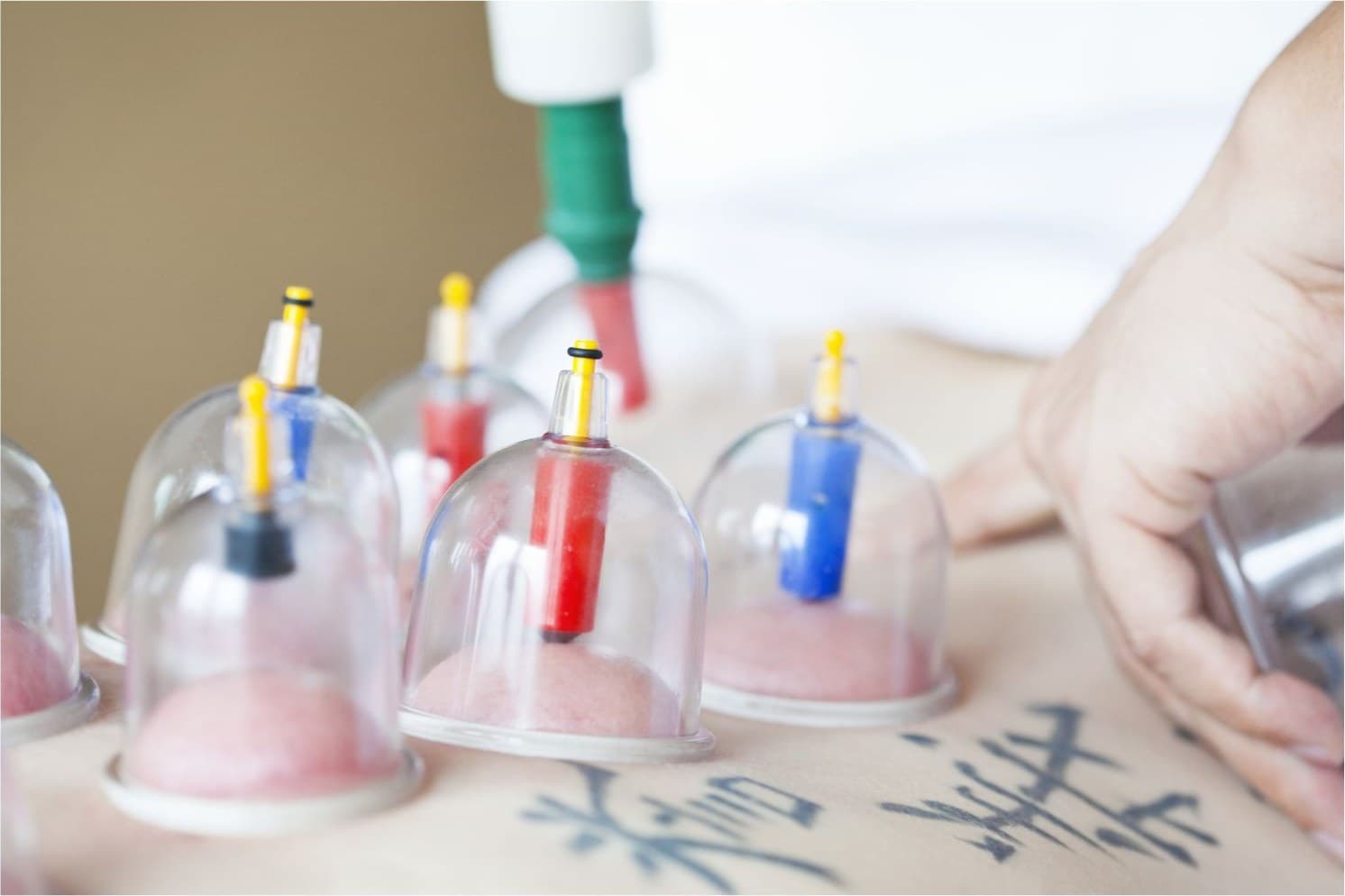
Placeholder: summarise the main TCM treatment modalities — acupuncture, moxibustion, herbal medicine, tuina massage, cupping.
Placeholder: when to use which modality based on the patient's condition.